
Farming With
the Future in Mind
What we document | Why it matters | Where we're headed
The Food Industry Is Looking for Farms Like This One
— THE BIGGER PICTURE —
20M+
Acres pledged to regenerative practice by the world's top food corporations by 2030
—
75-yr low
US cattle herd — at the same time demand for premium, responsibly raised beef has never been higher
—
25 years
Wilson Grains has been building this system. We're not pivoting to meet the moment — we were already here
The land we farm, the water we protect, the soil we build — these aren't just farming concerns. They're everyone's concerns.
Consumers want to know where their food comes from. They want to trust that the companies behind their favorite brands are taking the health of the planet seriously. And increasingly, the world's largest food companies are stepping up — making real commitments to regenerative sourcing, sustainable supply chains, and a food system that gives back more than it takes.
Wilson Grains is grateful to be part of that movement.
Beef is one of the most scrutinized foods in the world — and rightly so. Raised the wrong way, it strains the land and the climate. Raised the right way — regeneratively, with biology-first practices that build soil, sequester carbon, and close the loop between animals and the earth — it becomes part of the solution. A way to feed a growing world without depleting the one we have.
Direct farm relationships make this real. They put a face on a sustainability commitment. They give consumers a story they can trust and a source they can trace. They connect the food on the shelf to the land it came from and the family that tended it.
That's what Wilson Grains is here to be.
— THE DOCUMENTATION —
What Gets Measured Here
Every practice at Wilson Grains is documented and available to qualified buyers or auditors on request. We track not because we have to — but because farming with integrity means knowing what you're actually doing to the land.
Full records are available for buyer review, third-party assessment, or formal audit upon request.
Full documentation available to any qualified buyer or auditor. Our records meet the evidentiary standards required by most corporate supplier sustainability programs. We welcome on-farm visits.
— OUR COMMITMENTS —
What We're Building Toward
— THIRD-PARTY VERIFICATION —
Outcomes Over Labels
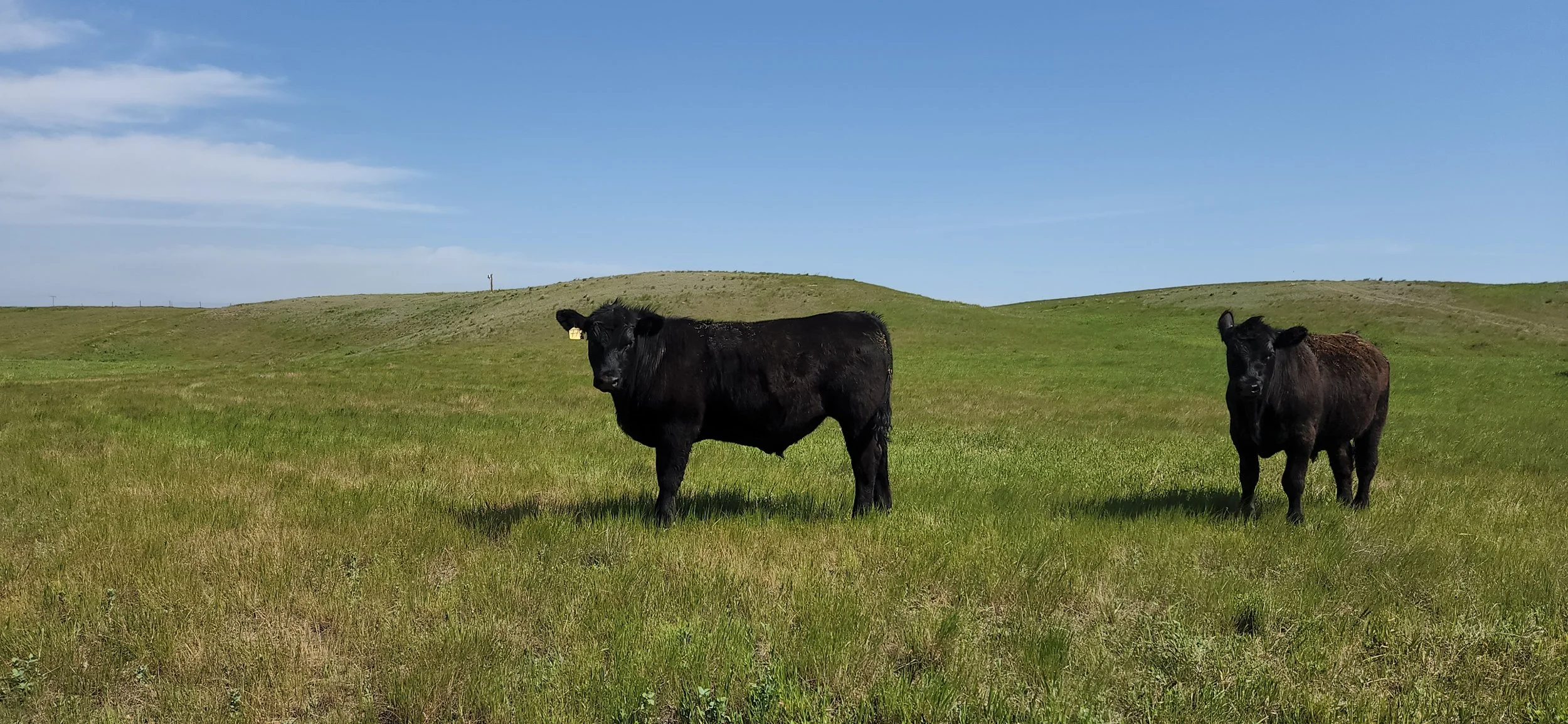
Wilson Grains documentation meets the evidentiary standards of most major corporate supplier sustainability programs. We believe measuring actual outcomes — soil health trends, input reduction, biodiversity, water quality — is more meaningful than certification alone.We are actively exploring formal verification pathways that align with that philosophy. These programs measure what we actually care about, and that the buyers we work with already recognize.FIELD TO MARKET - FIELDPRINT ASSESSMENT
LAND TO MARKET - SAVORY INSTITUTE EOV
If your sourcing program has specific verification requirements, we'd welcome that conversation.
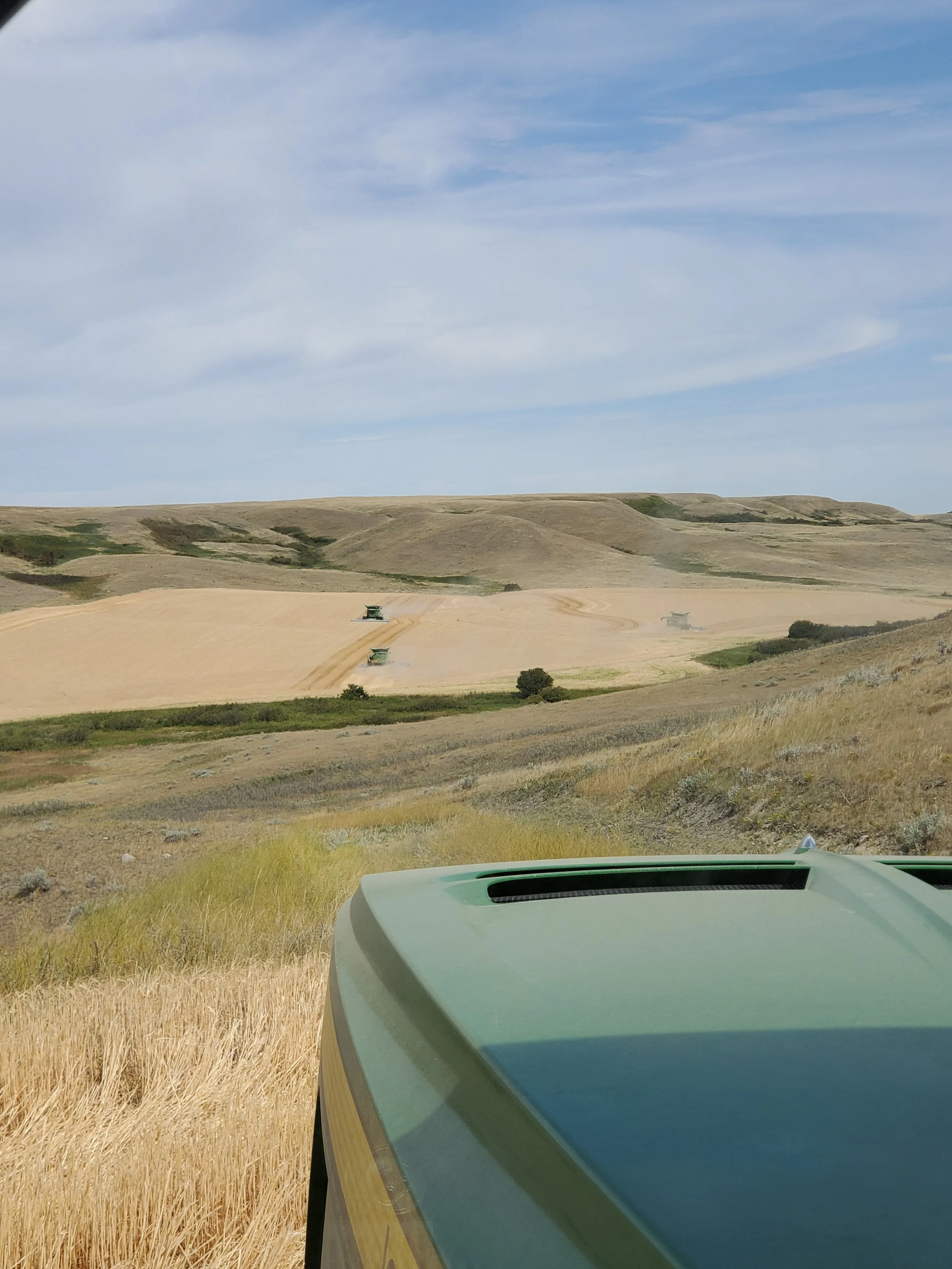
Aligning With a Farm
That Takes the Long View
Whether you're a sustainability team evaluating supply chain partners, a brand looking to put a real farm behind your story, or a buyer who needs documented regenerative sourcing — we'd love to talk.