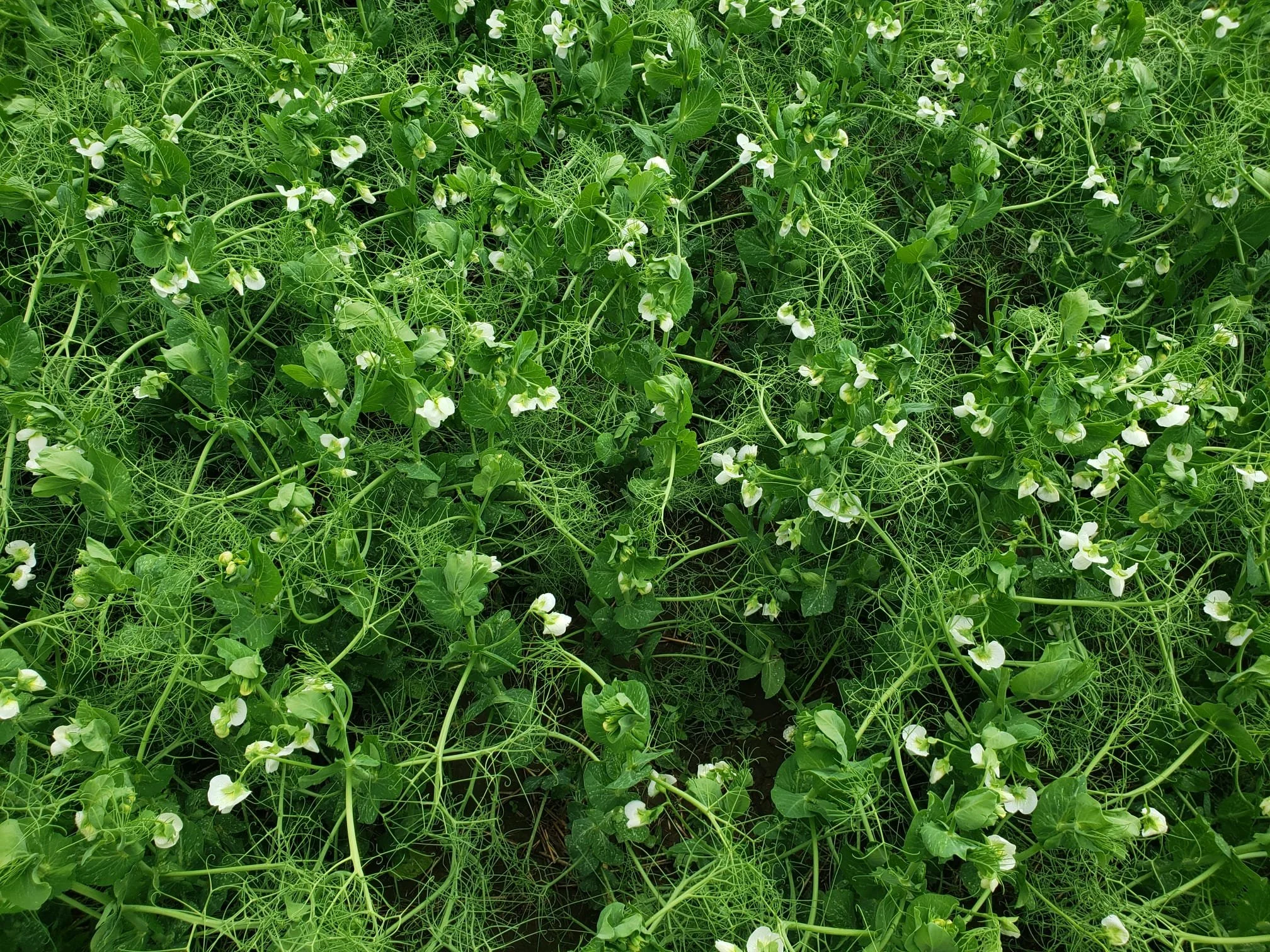
— OUR APPROACH —
How We Farm
A biology-first system built from the ground up — and proven season after season.
— THE PRINCIPLE —
Feed the Soil.
The Soil Feeds Everything Else.
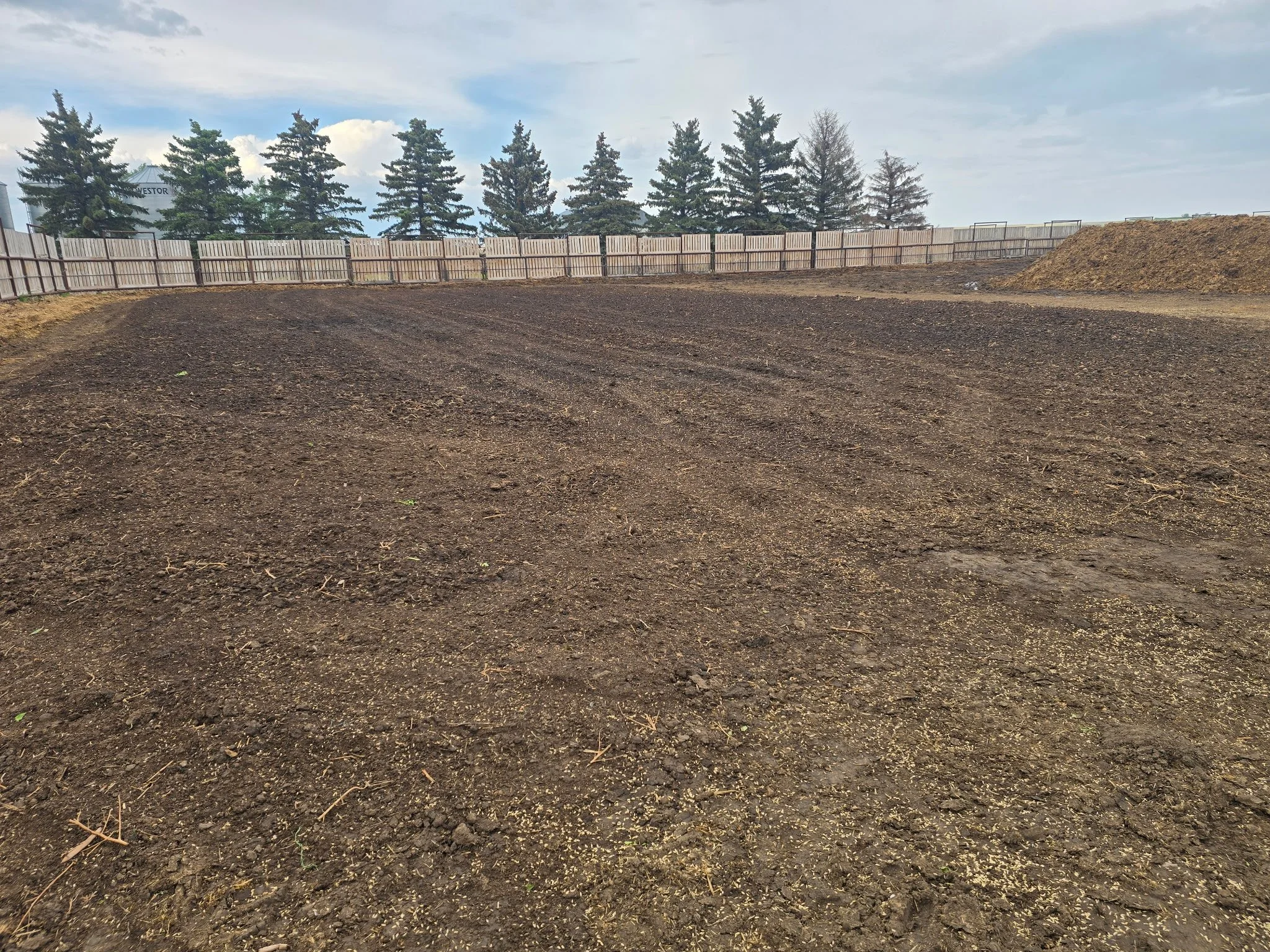
Most farming systems extract from the soil and replenish with inputs. Wilson Grains works the other way — building soil biology so the land produces more with less, season after season. Zero-till since 2000. Nitrogen down from over 100 lbs per acre to 30. Fungicide no longer needed. The biology does the work that chemicals used to.
— THE SYSTEM —
Six Practices That Make
Wilson Grains Different
Zero-Till Since 2000
No tillage means soil structure stays intact. Microbial networks build year over year. Water infiltration improves. The ground becomes more resilient with every passing season.
On-Farm Mycorrhizal Fungi
The Family grows, harvests, dries, and powders their own mycorrhizal fungi on the farm. It goes directly onto seed before planting. Every plant gets access to the underground network from day one.
In-Furrow Biological Inoculants
3+ gallons per acre of homemade biological inoculant applied directly in-furrow at seeding. Another 2 gallons per acre applied foliarly. The biology goes where the roots go.
Composted Manure Cycle
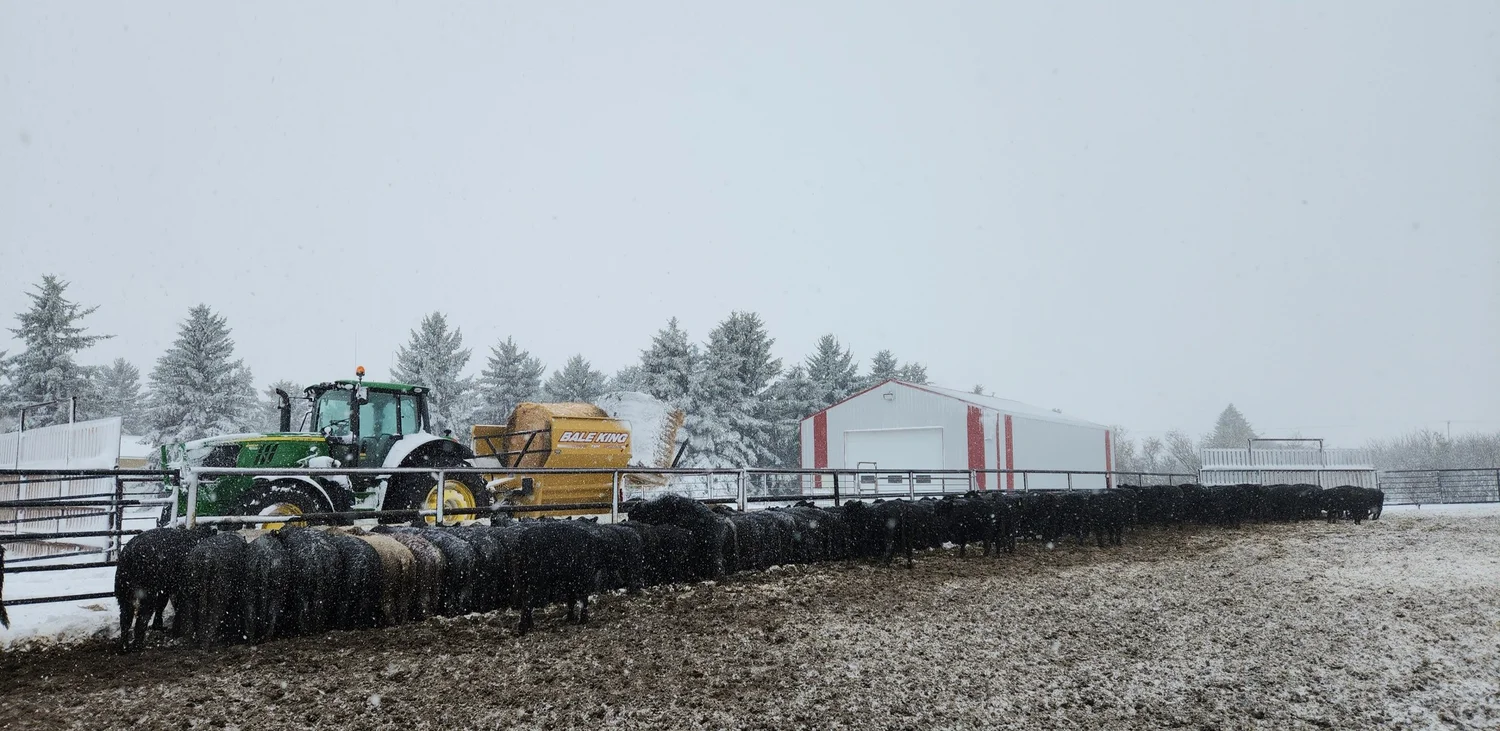
Cattle manure is composted and prilled with mycorrhizae before returning to the fields. The cattle operation and the grain operation feed each other — nothing is wasted, everything returns to the soil.
Standing Stubble for Snow Capture
Tall stubble is left standing through the prairie winter. It captures snow and holds it on the field — natural moisture management that builds soil water reserves before spring.
Feedlot Runoff as Biology Input
Snowmelt runoff from the feedlot is collected and used as a nutrient-rich biological input for the fields. A closed system where every output becomes an input for another part of the farm.

— VISUAL EVIDENT —
The Proof Is in the Roots
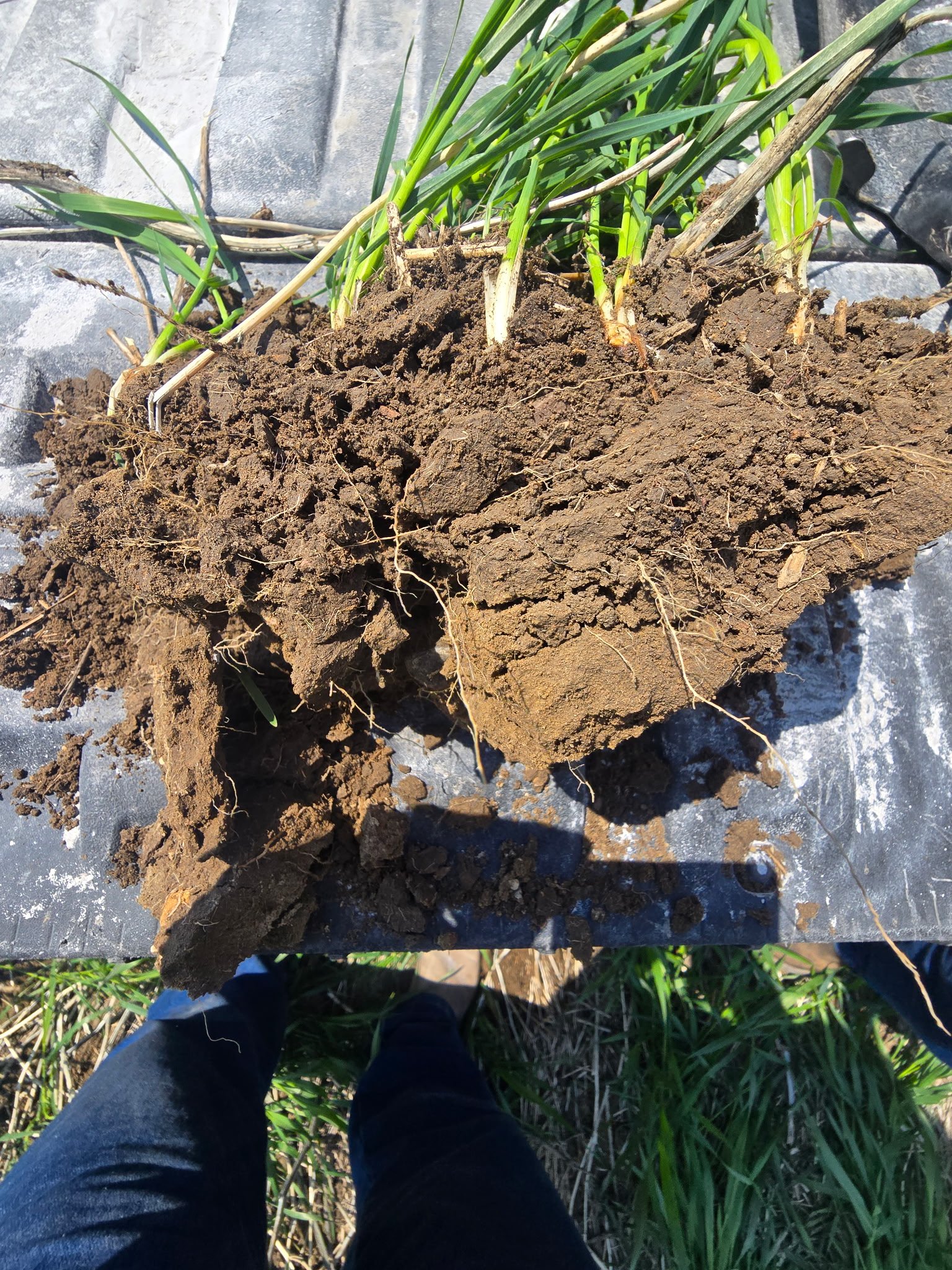
Root development documented at Wilson Grains
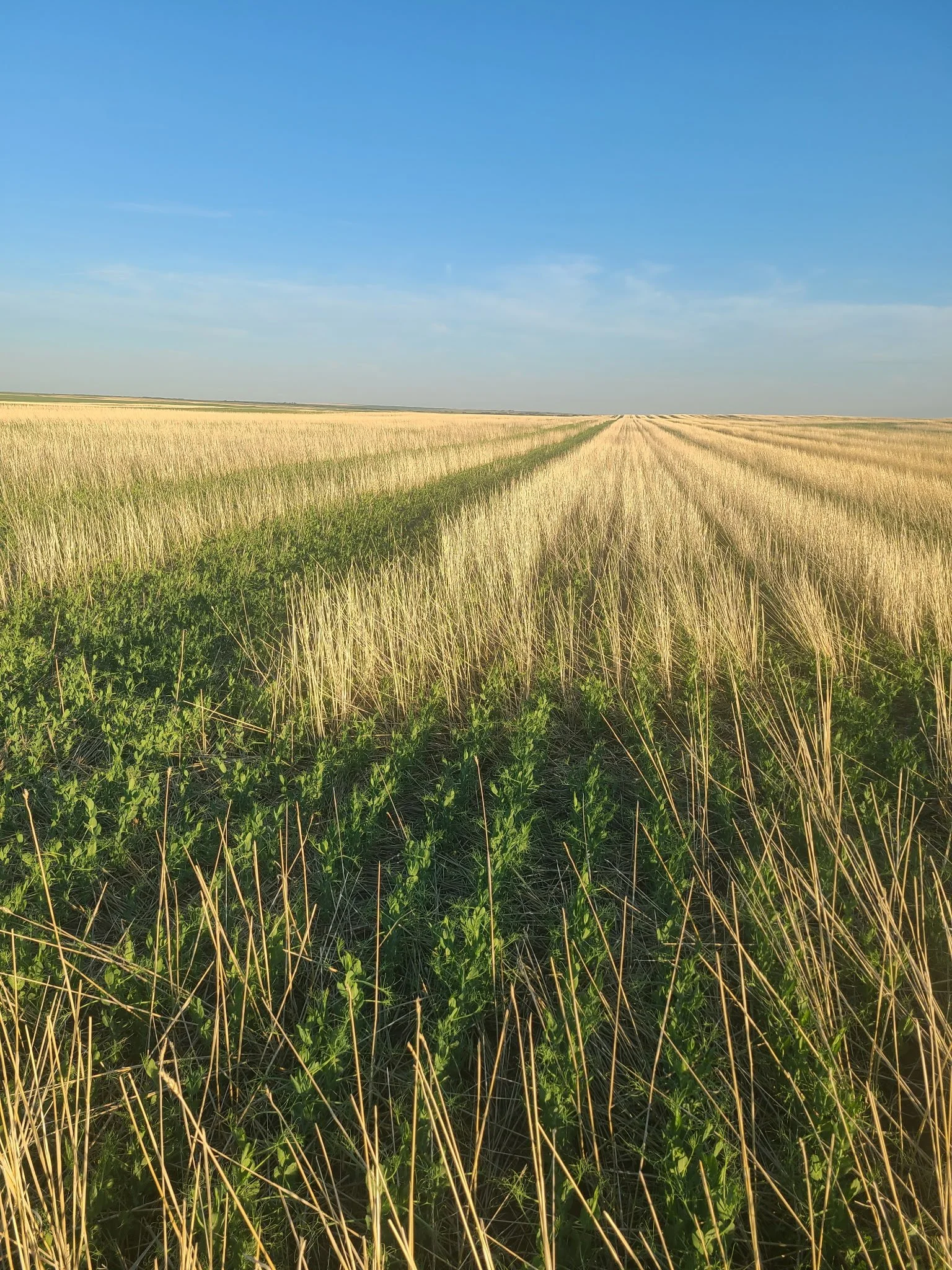
Standing stubble rows helping with moisture retention
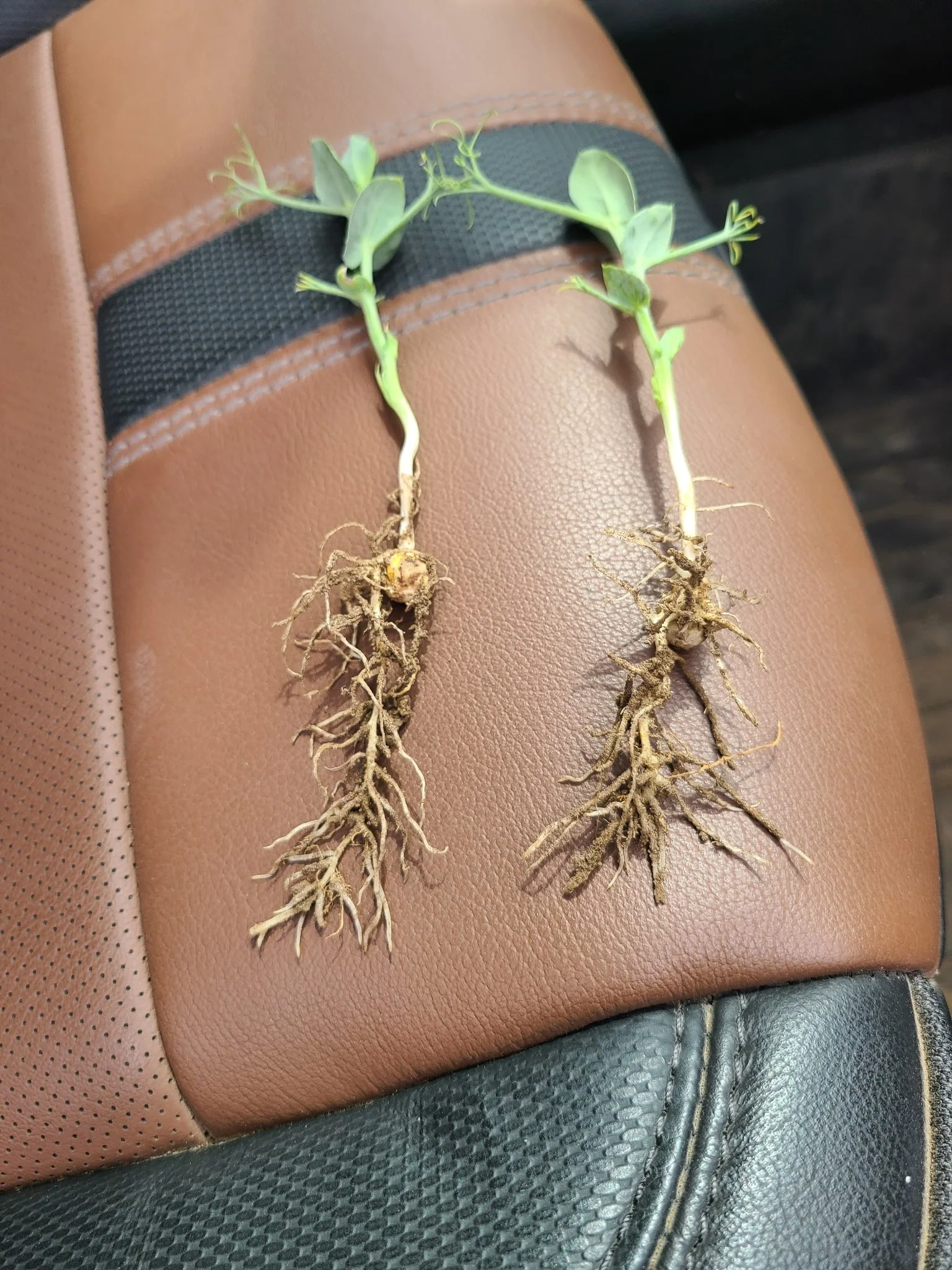
Seedling root development — biology-treated seed
What Happens Here,
Season by Season
— THE FARM YEAR —
Curious What the System Produces?
The numbers behind 15 years of biology-first farming — soil tests, input reduction, drought performance, and crop specs — are all documented. Request our full farm data package or explore the results.